"Ask Me Anything," 10 Answers To Your Questions About Coffee Makers Drip


How Do Coffee Makers Drizzle?
A coffee maker drip is a fantastic way to brew a cup of strong, flavorful java. It automates the pour-over process, and can make up to 12 cups at a time. It also has customizable options and temperature control.
The heating element heats the water inside a reservoir located at the bottom of the machine. The hot water is transferred through the shower head to the filter basket.
Reservoir
The reservoir of a drip coffee maker holds water that is heated to a temperature between 195 and 205 degrees Fahrenheit. It flows through the water valve into the orange tube, through the one-way valve and then partially up the white tube. This process allows gravity to force the hot water over the grounds of the brew basket. The coffee that is brewed then falls into the carafe. Some models use a hot plate to keep the carafe warm, but this can cause overflow and burnt or off flavors in the cup.
The reservoir for water in a drip coffee maker can be easily refilled and cleaning. The 40-oz capacity of the reservoir allows you to brew multiple cups of coffee before needing to refill the reservoir. It features a convenient water-viewing window as well as a blue light for water droplets that shows when you need you need to refill.
Certain models come with removable filter cartridges or descaling tabs to ensure that cleaning is quick and easy. This prevents mineral build-up and enhances the machine's performance over time. There are models that are programmable, so you can make your morning coffee according to your requirements.
Anyone who likes the taste of freshly-brewed coffee will find the drip coffee maker to be a fantastic choice. It is fast and convenient. This makes it a very popular choice for offices, restaurants and even homes. However, it's important to keep in mind that pour-over methods give you better control over the brewing process and help avoid problems such as overflow. This type of brewing allows you to experiment with various sizes of grinds to create unique flavors. The correct grind size will result in even extraction, which is crucial for flavor and consistency.
Tube
A coffee maker makes use of a white tube to transport hot water from the reservoir to the drip. The tube has a hole that permits you to clean it with cleaning products. If the hole is blocked, you should replace it with a fresh one. You should also regularly clean the tube to prevent blockages. This will prevent the water from bursting and boiling too fast.
The water inside the tube is heated by a heating element, which functions as a super-fast stove for hot water. The coffee makers are extremely efficient because of this! The hot water flows through the filter, and into the carafe. After you've brewed your coffee it is important to remove the glass carafe. If you do not remove it, your coffee will taste acidic and burnt.
Another popular coffee-making method is using a pod. It is similar to a drip machine however, it uses pre-ground and measured pods instead of grounds. Many people prefer this method since it is faster and easier to clean. Paper filters are harmful to the environment and waste.
A drip coffee maker is a popular option for home and office use due to the fact that it makes an enormous amount of coffee with little effort. It is equipped with many features that make it easy to use, including auto shut-offs and self-cleaning cycles. Some models also have customizable brew strengths and built-in grinders. These features make them a convenient and efficient choice for those who loves the taste of freshly-brewed coffee.
One-way valve
Coffee makers can now deliver hot water to the grounds in the ideal temperature range of 195-205 F more quickly than ever before. The grounds can be at the desired temperature earlier in the brewing cycle, allowing them to get more flavor from less coffee. This allows for a faster process of brewing, which reduces the amount of waste and energy consumption.
Typical automatic drip coffee makers have one-way valves within the reservoir's hole and in the tube that leads to the heating system. They are typically made of a lightweight plastic ball and bead which can easily break in the hole. However, the designers have discovered that using the longer columnar or pill-shaped valve stop made of steel instead of the conventional bead can dramatically increase the speed at which the coffee maker can heat up and transport hot water into the tubes.
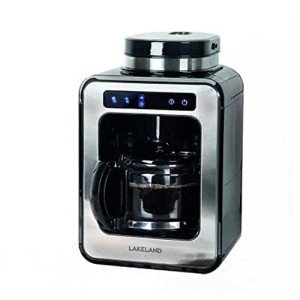
The coffee maker's design includes a one-way valve, which is either in the hole in the reservoir or in the aluminum heating pipe. This valve lets cold water into the tube but makes boiling water rise up it. The one-way valve also blocks air from entering the tube. This makes for a quicker, more reliable, and easier brewing process than with previous models of coffeemakers.
The water in the coffee maker is heated by an unidirectional valve and a showerhead that sprays hot water on the ground beans. The water is then dripped in the cups below. The boiling water pumping process takes place every few seconds and the coffee maker makes several batches of coffee in four cups each day. The one-way valves, which are patent-pending, are easy to set up and replace.
Shower head
The shower head is a vital element of the coffee maker. It ensures that all coffee grounds are evenly exposed to water which results in better extraction and flavor. It also prevents a buildup of carbon dioxide that can result in unpleasant taste in the coffee. The shower head can be adjusted to meet your requirements, and should be placed on an even surface.
The invention features a horizontal spray shower head that exposes the top layer of coffee grinds evenly to hot water within a couple of seconds after the brewing process begins. This allows for a more evenly brewed extraction, and also reduces the chance of forming a cradle in the coffee grounds. The horizontal flow of the water also helps prevent back-pressure on the heater 84 and thermostat 82. This allows for more precise control of the water flow and less cycling of thermostat.
Another way to improve the flavor of drip coffee is by adjusting the size of the grind and filter type. Different grind sizes offer various flavors and brew profiles, while different filters can enhance or soften certain characteristics of the coffee. Also, selecting the correct brew temperature can affect the taste of your coffee, too.
A good drip coffee maker is programmable to start brewing at your chosen time and has an intuitive interface. Some models allow you to adjust the brew strength which allows you to personalize your coffee to create the perfect flavor. Certain models come with a water-filter that can be removed, as well as a reservoir with a removable lid and warming plates that keep the coffee at a perfect temperature. The shower head with a large size is a unique feature because it ensures a uniform distribution of the coffee grounds and agitation for consistent extraction.
Heating element
The heating element of the coffee maker is a crucial component. It warms the water as it is poured and helps keep the coffee warm after. The heating element is situated at the bottom of the machine. It is a small aluminum tube with a resistive coil and an inner tube through which water can flow. The heating element is controlled by the temperature of the coil. filtered coffee machine Coffeee UK is equipped with components such as sensors and fuses to stop the coil from heating up.
In the drip coffee maker the heating element is responsible for heating the water to an ideal temperature (between 195 and 205 degrees Fahrenheit) that is necessary for the brewing process. The water is then moved through tubes to the shower head where it drips onto the coffee beans ground. This is a crucial aspect of the process since it kicks off the brewing process and ensures that the grounds are distributed evenly.
Apart from the heating element another key component in drip coffee makers is the one-way valve. It is located in the hole of the reservoir bucket or in the white tube leading to it. Without the one-way sluice valve boiling water can flow back into bucket just as easily as it can rise up the tube. This valve is one-way and forces bubbles of boiling water to rise up the white tube.
FIG. illustrates a general schematic for operating a coffee maker. 4. The power source 60, via the main switch 64 is connected to outlet lines 66. These lines also connect to the indicator lamp 68 as well as the additional heater. The primary heater 42 is connected across the outlet lines 66 and is in parallel with the thermostat 44.